
See & Do

- Checklist
- Berlin - Main Areas
- Attractions
- Parks, Beaches & Gardens
- Tours & Sightseeing
- Daytrips
- Weekend Breaks
Mitte
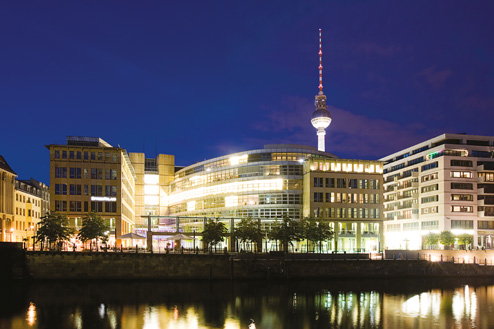
No place in Berlin has been as completely transformed by the events of 9 November 1989 as Mitte. It is the oldest and most central district of the original city (the name means ‘centre’), though precious little of any of that original masonry still stands. Mitte is bounded roughly by the Brandenburg Gate to the west, Bernauer Strasse to the north, Lichtenberger Strasse to the east and a jagged line running just north of Oranienstrasse to the south. The area received a pummeling during the second world war and the advent of the Berlin Wall turned it into a humourless bureaucratic warren. Instead of announcing that one had arrived at the hub of a thriving metropolis, the Doric columns of the Brandenburg Gate signified the end of the known world, and the once-proud urban hub at Alexanderplatz was transformed into a bleak Soviet monstrosity (albeit with a very cool tower).
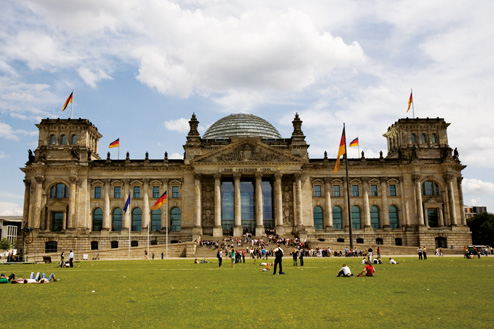
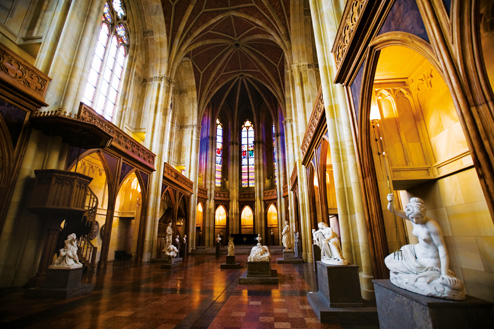
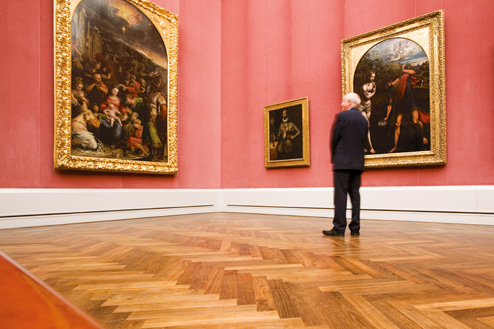
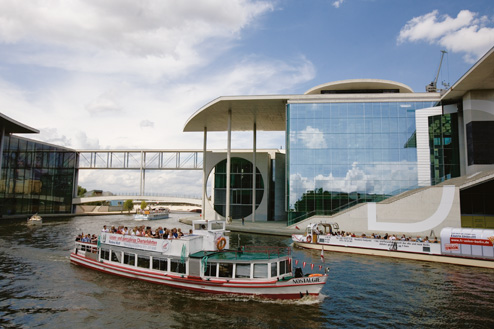
But what a difference a few years of capitalism makes. Mitte now not only seats most of the major buildings of the Federal Government of Germany, but functions as a nightlife, culture and fashion centre as well. It teems with tourists and locals who bustle around the high-end shops around Friedrichstrasse and Hackesche Höfe, wander the charming – if dubiously authentic – Nikolaiviertel and party all night in the Scheunenviertel. Some bemoan the loss of its GDR innocence, and even the breathtakingly experimental phase it went through in the 1990s, as American-style chain stores and even housing complexes threaten to erase the character of this once-showpiece quarter. Still, as home to most of Berlin’s museums and galleries – particularly the peerless Museumsinsel – and architectural sites, Mitte will never be irrelevant. Even to ride underneath on the U-Bahn connects you with its history. The stations along the U8, from Heinrich-Heine-Strasse to Bernauer Strasse, were once known as the ‘ghost stations,’ since the West Berlin subway was allowed to traverse this part of east Berlin but not stop. Passengers travelling between Kreuzberg and Wedding saw only dimly lit platforms patrolled by border guards. Your experience promises to be less dramatic, but a whole lot cheerier.
But what a difference a few years of capitalism makes. Mitte now not only seats most of the major buildings of the Federal Government of Germany, but functions as a nightlife, culture and fashion centre as well. It teems with tourists and locals who bustle around the high-end shops around Friedrichstrasse and Hackesche Höfe, wander the charming – if dubiously authentic – Nikolaiviertel and party all night in the Scheunenviertel. Some bemoan the loss of its GDR innocence, and even the breathtakingly experimental phase it went through in the 1990s, as American-style chain stores and even housing complexes threaten to erase the character of this once-showpiece quarter. Still, as home to most of Berlin’s museums and galleries – particularly the peerless Museumsinsel – and architectural sites, Mitte will never be irrelevant. Even to ride underneath on the U-Bahn connects you with its history. The stations along the U8, from Heinrich-Heine-Strasse to Bernauer Strasse, were once known as the ‘ghost stations,’ since the West Berlin subway was allowed to traverse this part of east Berlin but not stop. Passengers travelling between Kreuzberg and Wedding saw only dimly lit platforms patrolled by border guards. Your experience promises to be less dramatic, but a whole lot cheerier.


