


See & Do

- Checklist
- Areas
- New Zealand - Main Areas
- Attractions
- Tours & Sightseeing
West Coast
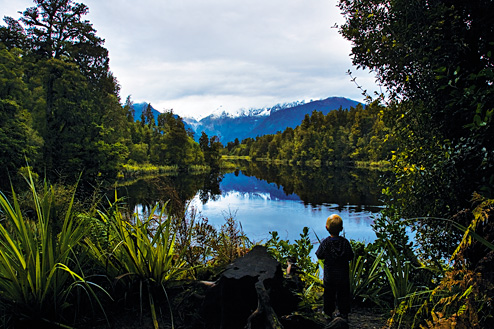
From the beautiful coastal walk of the Heaphy Track in the north to the awe-inspiring glacier and alpine country in the south, the West Coast is studded with scenic and recreational jewels, each of them with excellent amenities. The area is blessed with access to five national parks: Kahurangi at the top, Paparoa in the middle, Mount Cook and Mount Aspiring near the bottom and Fiordland at its toe. South Westland (Te Wahipounamu), incorporating much of the southern half of the region, was declared a Unesco world heritage site in 1990. The rich and colourful history of the coast is proving a drawcard in its own right, too, with significant gold and coal mining sites well interpreted to visitors in recent years.
There are some fine restaurants, notably the Bay House Café at Cape Foulwind and Café Nevé at Fox Glacier, some amazing accommodation providers (whether it’s the Karamea Domain Campground or the World Heritage Hotel at Haast) and some even more amazing things to do.
But for all its natural beauty – and it’s stunning, top to bottom – the West Coast is no paradise. It has the highest rainfall of any region in New Zealand, it gets buffeted by strong westerly winds and, in really nasty weather, waterspouts and tornadoes. And for the most part, the lot of those eking out a living here has been one of unrelenting hardship. None of the main commodities – greenstone, gold, coal and timber – were won without a struggle, and considerable danger.
Nowadays the hard-man traditions on which the area is founded have been replaced with ‘attraction’ industries, such as tourism. It wasn’t until gold was found in the mid 1860s that people settled here in any numbers (a recreation of the kind of life these desperate diggers led in the thrown-together settlements up and down the coast can be seen at Shantytown , just south of Greymouth . Once gold petered out, the extraction of coal took over, with miners often going to unbelievable lengths to get at it. And once coal was on the wane, the logging of the magnificent rainforest was the next boom. Maori were also very familiar with the West Coast, even if few chose to live there. It was a highway up and down which pounamu (greenstone, or New Zealand jade) was traded from its sources in south Westland.
There are some fine restaurants, notably the Bay House Café at Cape Foulwind and Café Nevé at Fox Glacier, some amazing accommodation providers (whether it’s the Karamea Domain Campground or the World Heritage Hotel at Haast) and some even more amazing things to do.
But for all its natural beauty – and it’s stunning, top to bottom – the West Coast is no paradise. It has the highest rainfall of any region in New Zealand, it gets buffeted by strong westerly winds and, in really nasty weather, waterspouts and tornadoes. And for the most part, the lot of those eking out a living here has been one of unrelenting hardship. None of the main commodities – greenstone, gold, coal and timber – were won without a struggle, and considerable danger.
Nowadays the hard-man traditions on which the area is founded have been replaced with ‘attraction’ industries, such as tourism. It wasn’t until gold was found in the mid 1860s that people settled here in any numbers (a recreation of the kind of life these desperate diggers led in the thrown-together settlements up and down the coast can be seen at Shantytown , just south of Greymouth . Once gold petered out, the extraction of coal took over, with miners often going to unbelievable lengths to get at it. And once coal was on the wane, the logging of the magnificent rainforest was the next boom. Maori were also very familiar with the West Coast, even if few chose to live there. It was a highway up and down which pounamu (greenstone, or New Zealand jade) was traded from its sources in south Westland.


